
The Price of Power in Nigeria’s Parties

By Dr Izuchukwu Christiantus Anyanwu
Governing Climate-Resilient Infrastructure for SDG 11 in Nigeria

From Governance Reform to Resilient Cities Nigeria’s urban infrastructure vulnerability does not stem from a lack of policy intent, but from the failure to translate statutory commitments into risk-informed decisions […]
Federal Dominance and the Failure of Nigeria’s Mortgage Market

Nigeria’s Mortgage Market: A State-Dominated System That Does Not Deliver The architecture of Nigeria’s housing finance system reflects a state-led response to structural deficits in long-term capital and housing supply. […]
When Hospitals Kill: The Urgent Need to Reform Nigeria’s Health System

Nigeria’s healthcare system carries a heavy and largely avoidable human cost. Too many patients die not because their conditions are incurable, but because routine hospital care fails at critical moments. […]
Substandard and Falsified Medicines in Nigeria: A Crisis of Distribution Governance

Defining the Problem: Governance Failures in Medicine Quality Effective regulation begins with conceptual clarity. Nigeria’s medicine-quality crisis is frequently treated as a single phenomenon, yet it comprises distinct failure modes, […]
From Connectivity to Classroom Impact: Integrating Digital Literacy in Nigeria’s Education System

The Implementation Gap in Nigeria’s Digital Education Agenda Nigeria has had an explicit national policy for ICT in education since the 2019 National Policy on ICT in Education (NPICE), which […]
Strengthening Democratic Consolidation in Nigeria: Citizen Engagement, Participatory Governance, and Institutional Trust

Executive Summary
Nigeria’s democratic consolidation is constrained by weak citizen engagement and declining trust in formal channels, producing low electoral legitimacy, policy capture, and social unrest. Voter participation fell to a post-1999 low in the 2023 general elections (26.7 per cent turnout), undermining representation and the strength of the mandate. However, previous reforms – such as the Bimodal Voter Accreditation System (BVAS), expanded civic education, and donor-funded participation programmes – improved electoral administration but did not succeed in reversing distrust or increasing regular civic participation owing to uneven implementation, security challenges, and limited local-level inclusion.
This study finds that Nigerians remain willing to engage, yet channel their energy into protests or apolitical survival strategies when formal avenues feel unresponsive. Afrobarometer’s 2025 analysis shows sustained civic intent but fragile institutional confidence.
The policy recommendations include (i) institutionalising participatory budgeting and ward-level deliberative councils; (ii) strengthening INEC’s transparency and local outreach while expanding secure, accountable digital feedback platforms; (iii) empowering LGAs with ring-fenced engagement funds and civic-education mandates; and (iv) coordinating donor support towards capacity-building for civil society and local government.
The above recommendations, when implemented, will raise electoral and civic participation, rebuild trust, and improve Nigeria’s Voice and Accountability governance indicators, advancing democratic consolidation and policy responsiveness.
Judicial Independence in Nigeria: Institutional Constraints, Reform Pathways, and Democratic Consequences

Executive Summary Nigeria’s judiciary is constitutionally independent but institutionally vulnerable. The central failure is not the absence of laws or funding, but the lack of enforceable constraints on executive discretion over judicial appointments, discipline, and the release of statutory funds. If this gap persists, judicial reform will remain cosmetic. Delayed appointments, discretionary funding releases, and procedurally irregular disciplinary actions will continue to weaken court authority, prolong case backlogs, erode investor confidence, and normalise executive non-compliance with judicial decisions—undermining democratic consolidation and the rule of law. The most decisive reform lever is the institutionalisation of binding enforcement mechanisms: transparent, time-bound appointment rules; a ring-fenced Judiciary Fund with automatic releases; and codified disciplinary procedures backed by legal sanctions for non-compliance. Without enforceable limits on executive discretion, increased budgets and policy declarations will not translate into judicial independence in practice. Crucially, the brief argues that judicial reform will fail unless formal rules are matched by enforceable constraints on executive discretion. Without clear sanctions for delayed funding releases, ignored appointment timelines, or procedurally irregular disciplinary actions, reforms risk remaining declaratory rather than operative.
Elite Defections, Opposition Fragmentation, and the Risk of Party Predominance in Nigeria
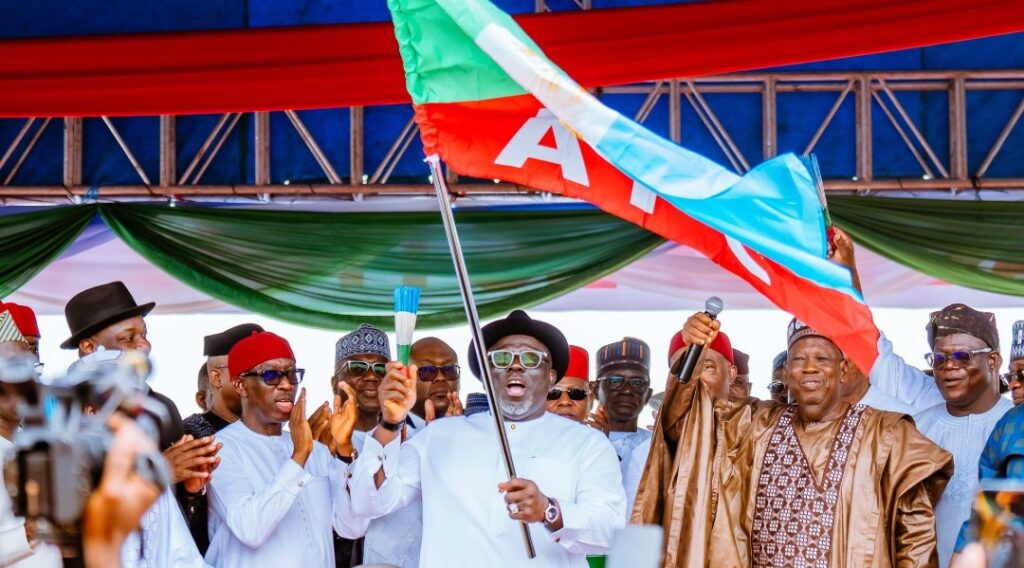
Challenges to Multiparty Competition and Democratic Accountability in Nigeria Nigeria’s multiparty system remains fragmented and fluid, marked by deep-seated institutional weaknesses that became unmistakably evident in 2025. While INEC’s 2020–2022 […]
Compressed Natural Gas and Transport Costs in Nigeria: Challenges, Choices, and the Road to Effective Reform
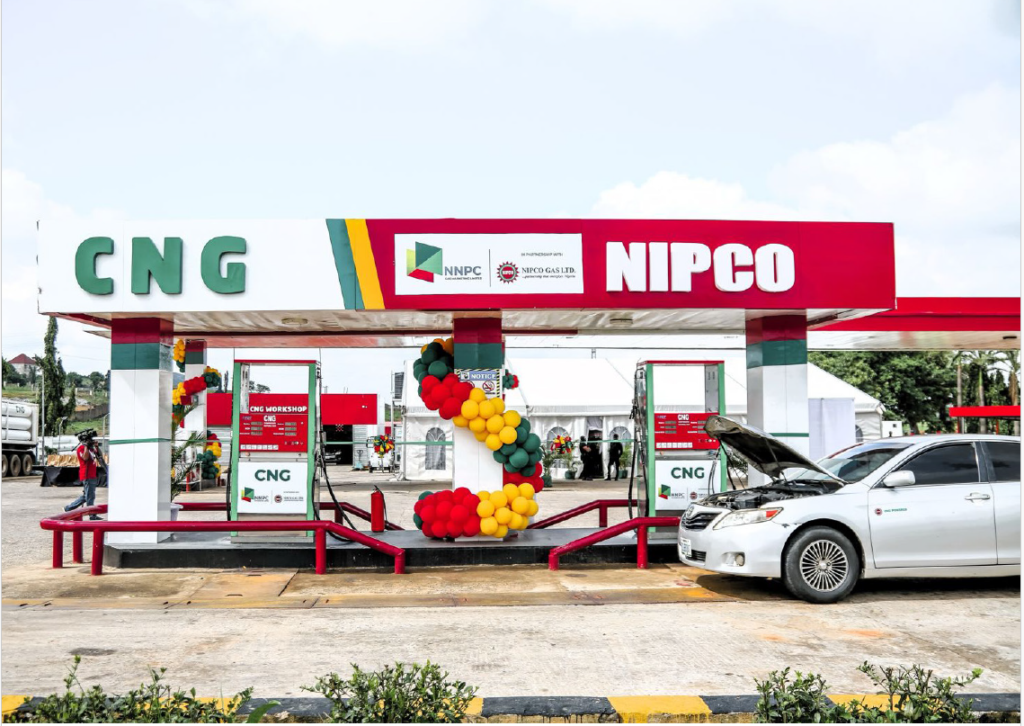
Refuelling stations remain concentrated in Lagos, Abuja, and coastal corridors, leaving northern and rural regions underserved. Price benchmarks of N230 per standard cubic metre are inconsistently enforced, with private operators […]