
Local Authority, Community Governance, and Nigeria’s Development Gap
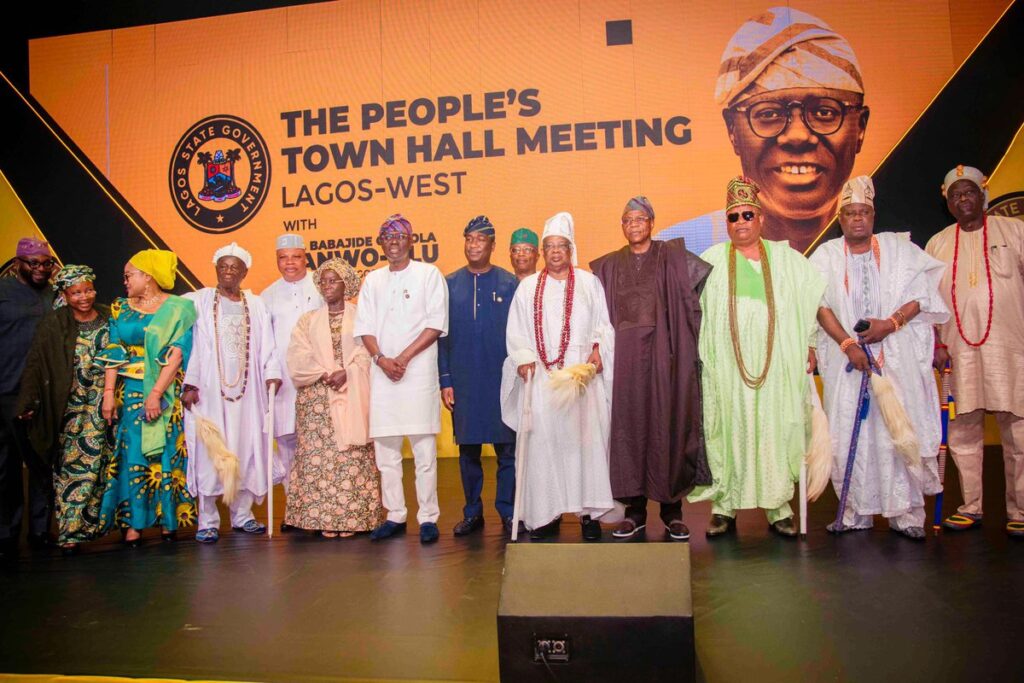
Nigeria’s persistent difficulty in translating national development plans into tangible improvements in everyday living conditions is increasingly traceable to weaknesses at the sub-national level, particularly within local government systems and […]
Governing Digital Engagement: Civilian Oversight and Institutional Failure in West and Central Africa
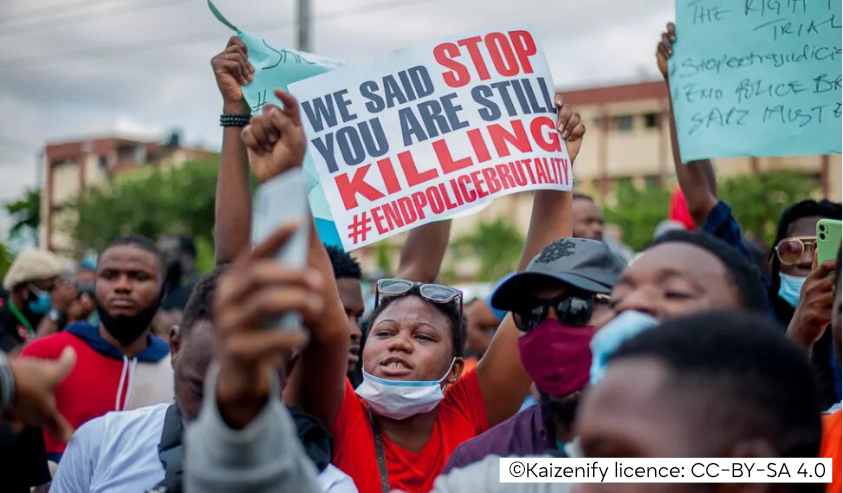
Introduction Digital connectivity has expanded political participation across West and Central Africa, yet this expansion has coincided with an unprecedented erosion of civilian authority. Between 2020 and 2023, the region […]
Financing Access And Accountability In Nigeria’s National Examination System
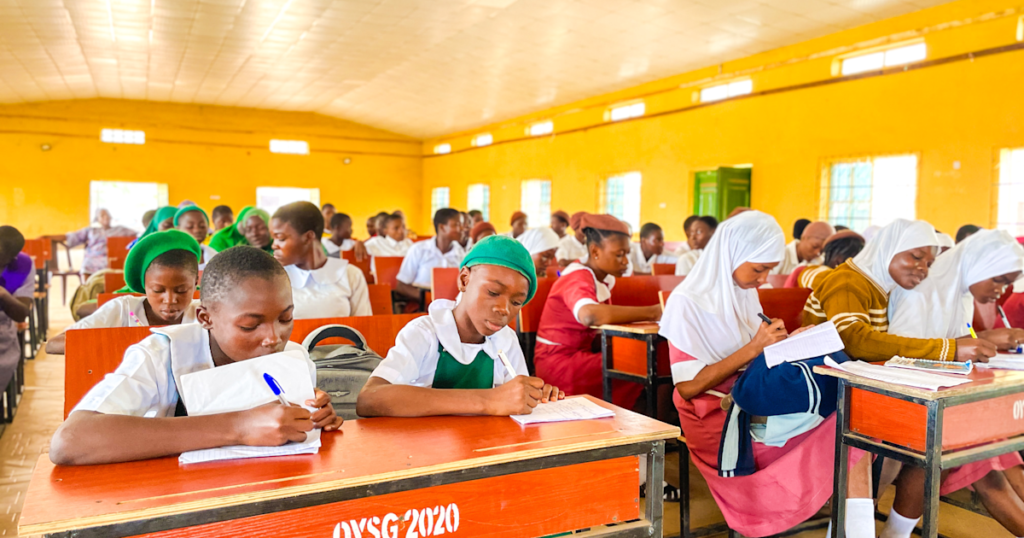
Introduction Standardised national examinations occupy a central position within Nigeria’s education governance architecture. They function not only as instruments for assessing learning outcomes, but also as institutional gateways that regulate […]
Nigeria Cannot Save West Africa—But It Must Secure Itself
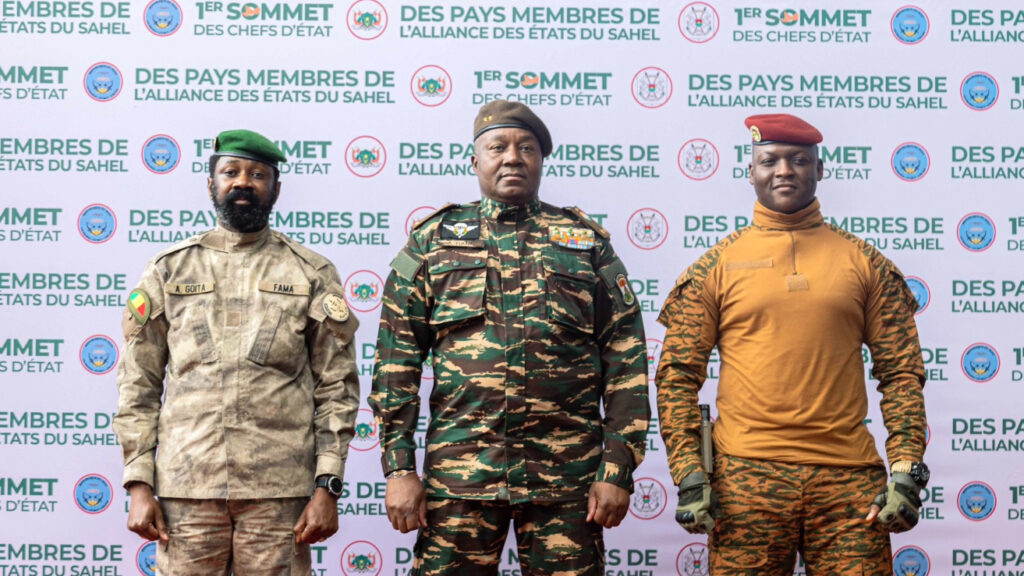
Executive Summary: Had the military coup d’état of December 7, 2025, in the Republic of Benin succeeded, it would have posed a fundamental challenge to ECOWAS. More importantly, it would have presented Nigeria with a strategic dilemma cutting to the core of its foreign policy posture and national security priorities. In the end, Nigeria’s response was central to ensuring that the crisis remained contained. The rapid deployment of Nigerian Air Force assets, complemented by the swift mobilisation of ground troops under the ECOWAS Standby Force, allowed the Benin authorities to quickly neutralise the attempted overthrow of the country’s constitutional government. The symbolism of a successful coup in Benin would have been significant. For decades, Benin has been regarded as a rare example of democratic continuity in Francophone West Africa. Its largely peaceful transfers of power, though imperfect, stood in clear contrast to the breakdown of constitutional order in neighbouring Mali, Burkina Faso, and Niger. For Nigeria, Benin represented more than a shared border; it functioned as a democratic buffer, evidence that the region’s drift toward militarised politics was neither inevitable nor irreversible. With a successful coup, that buffer would have disappeared. Nigeria’s western flank and the northern approaches to its key coastal economic zones—from Lagos westward—would be bordered almost entirely by states under military rule. This would expose Nigeria to a belt of political uncertainty and security risk, fundamentally altering its strategic environment and narrowing its room for diplomatic and security manoeuvre.
The Welfare–Security Nexus: A Framework for Transforming the Nigeria Police Force
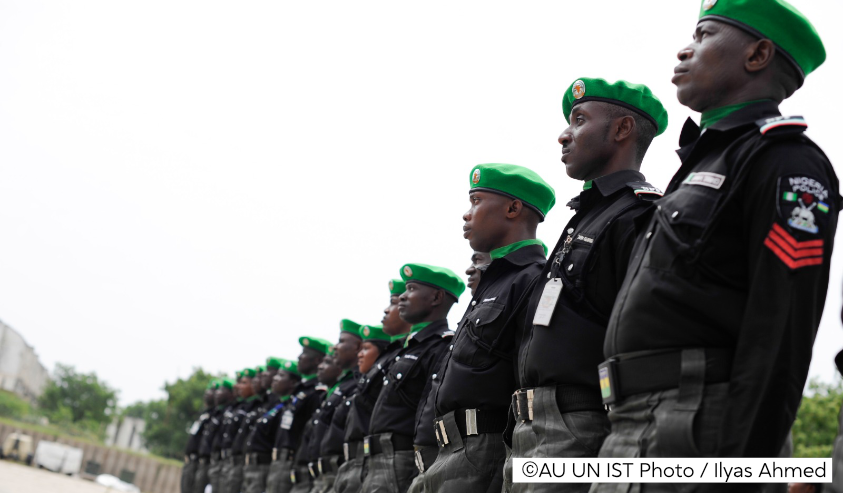
Introduction: The Strategic Imperative of Welfare in Policing Transformation Nigeria faces a worsening security landscape, defined by escalating violent crime, protracted insurgency, and recurring communal conflict. These pressures have revealed […]
Digging into the Future: Uncovering the Hidden Costs of Mining on Education in Bauchi and Plateau States, Nigeria
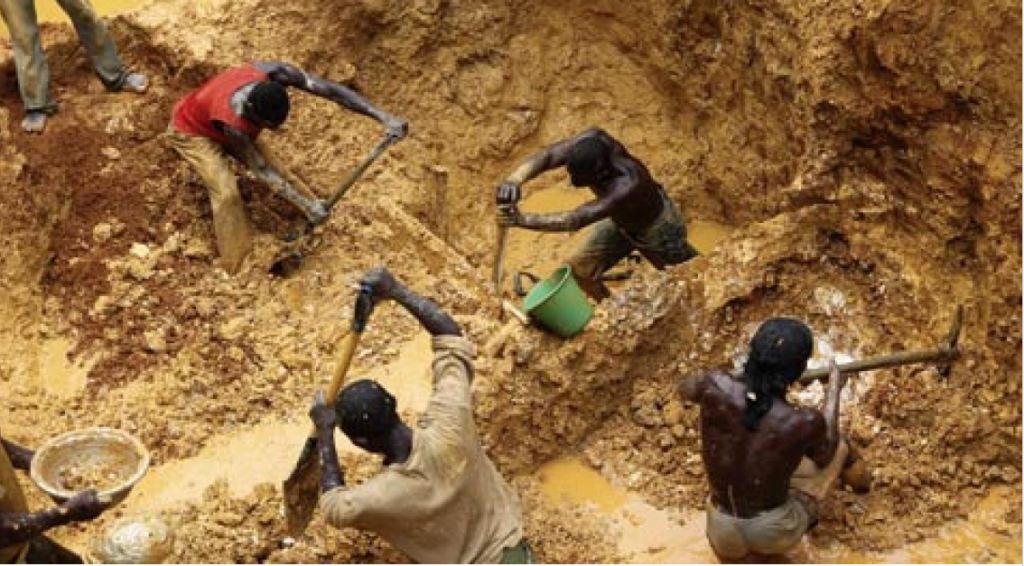
Executive Summary This paper explores the complex interplay between mining activities and school dropout rates in Bauchi and Plateau states, Nigeria. Mining is a significant economic activity, yet its social and environmental impacts often go unaddressed. In rural and peri-urban communities, mining displaces families, exposes children to labour, and compromises access to quality education. As highlighted by UNICEF (2022), access to education is fundamental to poverty reduction, and disruptions caused by mining deepen socio-economic inequalities. Comparative insights from Ghana and South Africa demonstrate that effective policy interventions—such as community reinvestment, mobile schooling, and child protection services—can mitigate these effects. This paper recommends a multi-stakeholder approach involving government, mining corporations, NGOs, and local communities to ensure educational resilience in mining zones