AthenaMain

Closing Gendered Governance Gaps in Nigeria: Strengthening State Capacity
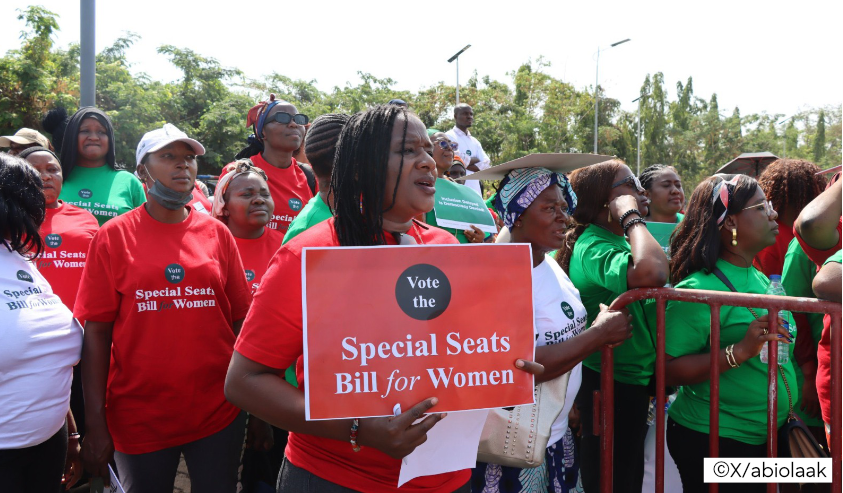
Executive Summary Nigeria’s gender gaps are a state capability challenge, not merely a social issue. Women participate actively in the labour force (80.7%) but are concentrated in informal, low-protection sectors, limiting productivity, pension contributions, and fiscal capacity. Political pipelines remain narrow, with women holding just 4.2% of House of Representatives seats, constraining legislative oversight. Gender-based violence is widespread—31% reporting physical violence, 9% sexual—but low conviction rates signal weak enforcement. Collateral-based credit rules and limited land ownership (88.5% of women without titled assets) restrict access to formal markets and anchor enterprises at small scale. Subnational variation is significant: Lagos and Ogun exhibit stronger enforcement, higher formal labour participation, and effective legal domestication, while northern states face higher informality, weaker enforcement, and limited access to credit. This edition of Athena Perspectives recommends key policy interventions: 1. Gender-Responsive Budgeting (GRB) – Link MDAs’ performance to gender outcomes and embed GRB in budget planning. 2. Political Representation Incentives – Require pre-primary disclosure and transparent party financing to expand women’s legislative pipelines. 3. GBV Enforcement Strengthening – Digital case-tracking systems and annual VAPP scorecards to increase reporting and convictions. 4. Women’s Access to Formal Markets – Group-guarantee credit schemes, digital financial inclusion, and public procurement support for women-owned enterprises. Implementing these pathways strengthens allocative credibility, fiscal performance, and institutional legitimacy, positioning Nigeria to harness its demographic and economic potential ahead of the 2027 elections.

Fixing Nigeria’s Foundational Learning Crisis Curriculum Reform, Institutional Alignment, and Political Feasibility
Executive Summary
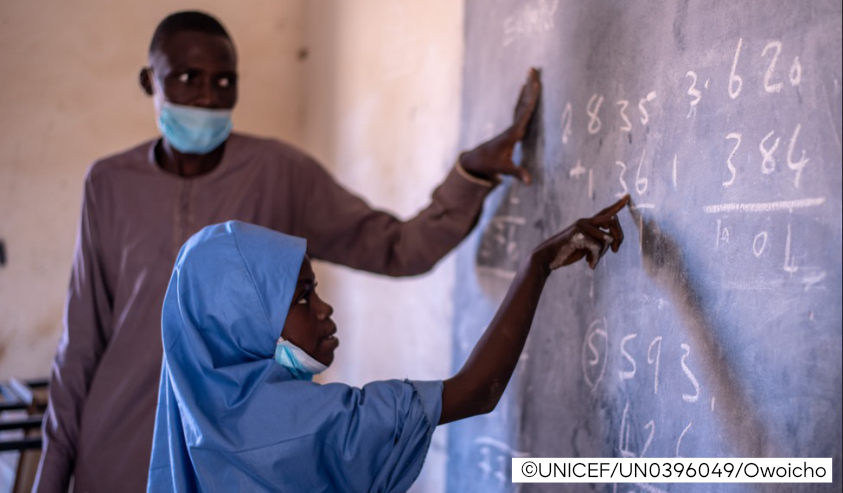
Nigeria has expanded access to schooling over the past two decades, yet foundational learning outcomes remain alarmingly weak. Only 32% of Primary 3 pupils meet the national literacy benchmarks, and 28% meet the national numeracy benchmarks. In practical terms, millions of children cannot read and comprehend an age-appropriate text by age 10, which is the internationally recognised threshold for foundational learning.
In a country experiencing one of the world’s fastest rates of population growth, this trend represents significant structural risks to human capital development and long-term economic stability. Weak foundational learning constrains productivity, entrenches inequality, depresses lifetime earnings, and weakens fiscal sustainability.
Nigeria’s learning deficits reflect systemic misalignment across language policy, curriculum design, teacher incentives, assessment frameworks, and federal-state governance.
This policy brief advances a sequenced reform strategy grounded in political feasibility and institutional realism, structured as follows:
● Early-grade language alignment pilots with structured transition to English.
● Flexible curriculum frameworks that allow state-level contextual adaptation.
● Incremental assessment and teacher incentive reform aligned with learning outcomes.

Reform should begin with state-led pilots supported by robust monitoring and evaluation, before scaling nationally.
With disciplined sequencing, fiscal realism, and vertical coordination, Nigeria can move from expanding enrolment to securing foundational learning.

Protecting the Vulnerable: Why Nigeria Must Reform Laws for Pedestrians and Cyclists
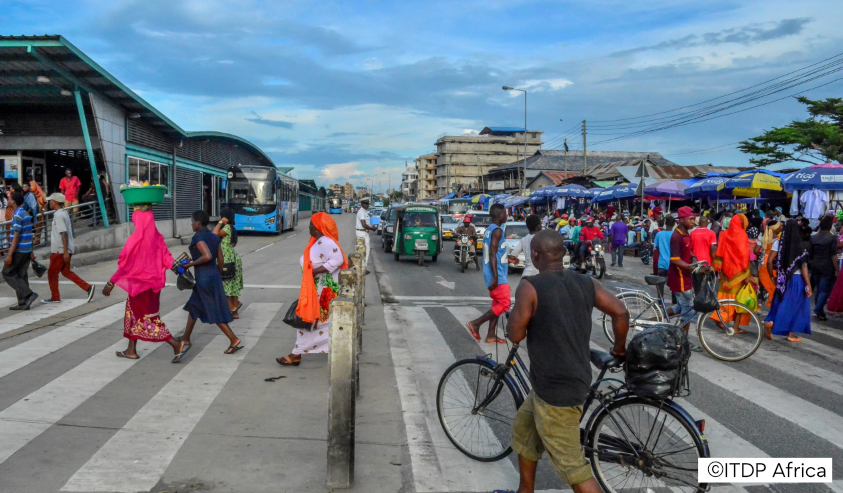
Executive Summary Non-motorised transport (NMT)—walking and cycling—remains essential for millions of Nigerians, particularly low-income households, yet is systematically neglected in law, planning, and investment. Rapid urbanisation and motorisation have prioritised vehicles, exposing pedestrians and cyclists, who account for roughly one-third of road deaths, to disproportionate risk. By mid-2025, more than 3,800 pedestrian casualties were recorded, over half involving children or the elderly. Road crashes and congestion also impose an economic burden equivalent to approximately 5% of GDP annually. Despite national commitments to road safety, climate resilience, and public health, NMT lacks enforceable legal standards, dedicated funding, institutional coordination, and reliable data. Weak enforcement and insufficient infrastructure—scarce pavements, cycle lanes, and safe crossings—force pedestrians and cyclists into direct conflict with motor traffic. Evidence from the Netherlands, Denmark, and Bogotá demonstrates that statutory mandates, safe design standards, speed management, incentives, and behaviour-change initiatives can normalise active mobility and reduce fatalities. To achieve safe, equitable, and sustainable urban mobility, Nigeria must urgently enact legal protections for pedestrians and cyclists, invest in continuous pavements and cycle lanes, enforce traffic regulations, integrate public awareness campaigns, and strengthen institutional capacity. Coordinated, evidence-based reforms will save lives, reduce congestion, lower emissions, and secure inclusive mobility for all citizens.

Restoring Public Trust in WAEC: Safeguarding Examination Integrity in Nigeria.

Executive Summary
The West African Examinations Council (WAEC) plays a pivotal role in Nigeria’s education system. For over seven decades, it has shaped the academic and career paths of millions of young Nigerians. Yet the 2025 West African Senior School Certificate Examination (WASSCE) exposed serious institutional weaknesses. A grading error that led to a revised pass rate, prolonged portal downtime, delayed examinations under poor conditions, and the withholding of over 200,000 results triggered a legitimacy crisis. Without urgent reform, public confidence in WAEC—and in the fairness of educational opportunity—risks further decline.
This policy brief examines the origins and dimensions of WAEC’s credibility crisis, situates it within broader regional experiences, and offers a practical reform framework for restoring integrity and trust.
Comparative experience offers guidance. Kenya restored confidence through biometric registration and secure logistics; South Africa through independent oversight by Umalusi; and Ghana through transparent reporting of withheld and cancelled results. Nigeria must now adapt these lessons to its own context.
Two paths are open: (a) strengthen WAEC internally through accelerated computer-based testing, decentralised secure printing, stronger result-processing systems, and proactive communication; or (b) pursue a broader WAEC Trust Restoration and Modernisation Initiative (WTRMI), embedding digital examinations, independent integrity oversight, and structured stakeholder engagement.
A combined approach that modernises systems while institutionalising transparency is most effective. Implemented effectively, these reforms can restore WAEC’s integrity and reaffirm Nigeria’s leadership in regional education standards. If Nigeria succeeds in revitalizing WAEC, it will not only safeguard the fairness of its educational system but also reaffirm public faith in one of its oldest regional institutions.